


The best local food in Male, Maldives centres around fresh tuna, coconut, and chilli-based flavours, with must-try dishes including mas huni (shredded tuna with coconut), garudhiya (fish soup), and hedhikaa (Maldivian short eats). Male’ City, as the capital, offers the widest concentration of local cafés and restaurants serving authentic Maldivian cuisine, making it one of the best places in the country to eat like a local rather than dine exclusively on resort buffets.
Why Male’ Is the Best Place to Try Authentic Maldivian Food
Most visitors to the Maldives spend their trip on a resort island, where dining is largely international and buffet-style. Male’ City is different. As the country’s capital and largest population centre, it’s home to generations of local cafés, teashops, and family-run restaurants that have served traditional Maldivian food long before resort tourism existed. For travellers who want to understand Maldivian culture through its food rather than just its scenery, Male’ offers something resort islands rarely can: genuine, everyday local cuisine.
This is one of the strongest reasons to spend a night or two in the city rather than heading straight to a resort transfer. Staying centrally, at a hotel like Maagiri Hotel, puts you within easy walking or short taxi distance of Male’s best local eateries.
Must-Try Maldivian Dishes in Male’
Often eaten for breakfast, mas huni combines shredded smoked tuna, grated coconut, onion, chilli, and lime. It’s typically served with roshi, a thin unleavened flatbread, and is considered one of the most iconic Maldivian dishes.
A clear, fragrant fish broth made from fresh tuna, garudhiya is usually served with rice, lime, chilli, and onions on the side, allowing diners to season it to their own taste. It’s a staple of home-style Maldivian cooking and widely available in local restaurants.
Hedhikaa (Maldivian Short Eats)
Hedhikaa refers to a range of small savoury snacks, similar in spirit to tapas, often served with tea. Common varieties include gulha (fried fish-filled dumplings), bajiya (pastries filled with fish, onion, and coconut), and keemia (spring-roll-like fried snacks). Local teashops, known as “hotaa,” serve these throughout the day.
Fihunu Mas
Grilled fish marinated in a spice paste, fihunu mas is a simple but flavour-packed dish that showcases the freshness of Maldivian seafood.
A thick, concentrated fish paste made by slow-cooking tuna broth for hours, rihaakuru is used as a condiment or side dish and offers an intense, savoury flavour central to much of Maldivian cooking.
Bondibaiy
A sweet coconut milk and rice dish, often flavoured with cardamom, cinnamon, and rose water, bondibaiy is a traditional dessert served at celebrations and available in some local restaurants.
Where to Eat: Combining Local Flavours with Hotel Comfort
While exploring Male’s local food scene is a highlight for many travellers, having a reliable home base with quality dining nearby makes the experience easier to enjoy without extra planning around every meal. Maagiri Hotel offers a practical middle ground for this: a comfortable, central hotel with its own dining options, positioned within easy reach of Male’s local restaurants and teashops.
The hotel’s three venues each serve a different purpose during a stay built around food exploration:
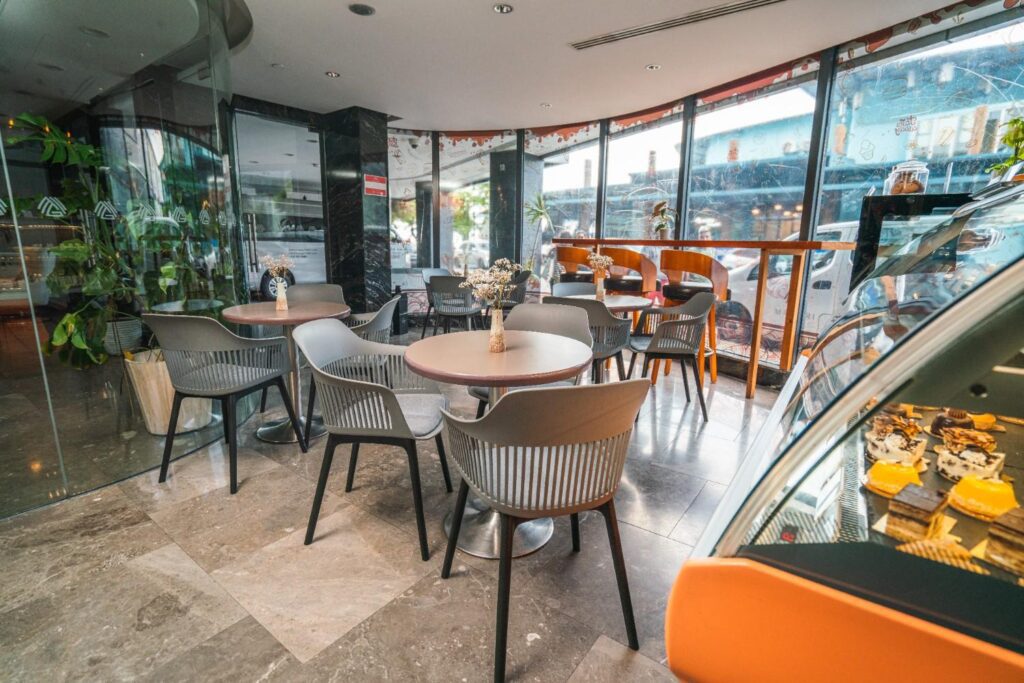
● Coffee Curve — ideal for a relaxed breakfast or coffee before heading out to explore Male’s markets and local eateries
● Faru — offering buffet and à la carte dining for guests who want a familiar, easy meal after a day of trying new flavours
● Peak — a rooftop restaurant with ocean views, well suited to an evening meal after a day of local food exploration
This combination allows travellers to sample Male’s authentic food scene during the day while always having a comfortable, quality dining option to return to.
Tips for Trying Local Food in Male’
- Visit local teashops for hedhikaa — these casual spots offer the most affordable and authentic way to sample a variety of Maldivian short eats in one sitting
- Ask about spice levels — Maldivian food often uses chilli generously; don’t hesitate to ask for a milder version if needed
- Try the local fish market — Male’s fish market gives insight into the tuna-based ingredients that define much of Maldivian cuisine
- Pair meals with Maldivian tea — black tea, often taken with milk or sugar, is a central part of the local teashop culture
- Balance exploration with comfort — alternating between local eateries and hotel dining helps manage variety without dietary fatigue, especially for shorter trips
Final Thoughts
For travellers who want to experience the best local food in Male, Maldives, the capital offers a depth of authentic flavour that resort islands rarely match, from tuna-based staples like mas huni and garudhiya to the teashop tradition of hedhikaa. Basing your stay at a central, comfortable hotel like Maagiri Hotel makes it easy to explore this local food scene during the day while still enjoying quality dining and rest in the evening.
Frequently Asked Questions
What is the most famous Maldivian dish?
Mas huni, a mix of shredded tuna, coconut, onion, and chilli usually eaten with roshi flatbread, is widely considered the most iconic Maldivian dish, especially at breakfast.
Is Male’ a good place to try local Maldivian food?
Yes. As the capital, Male’ has the highest concentration of local restaurants, teashops, and markets serving authentic Maldivian cuisine, more so than most resort islands.
Is Maldivian food spicy?
Many dishes include chilli, but spice levels vary by restaurant and can usually be adjusted on request.
Can I find both local and international food in Male’?
Yes. Male’ offers local teashops and restaurants alongside hotels like Maagiri Hotel, which provide international and buffet-style dining alongside Maldivian-influenced options.
What are “short eats” in Maldivian cuisine?
Short eats, or hedhikaa, are small savoury snacks such as gulha and bajiya, traditionally served with tea throughout the day in local teashops.